
Key to High-Octane and Low-Emission Gasoline
In the oil refining industry, the alkylation process plays a fundamental role in the production of high-quality gasoline with low environmental impact. Through this procedure, light hydrocarbons are transformed into high-octane components, improving fuel performance and reducing harmful emissions.
What is Alkylation and Why is it Important?
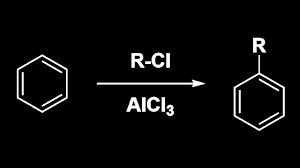
Alkylation is a chemical process in which isobutane reacts with olefins (such as propylene or butene) in the presence of an acid catalyst, typically sulfuric acid or hydrofluoric acid. The result is alkylate, a compound with a high octane rating and low volatility, ideal for improving gasoline quality.
This procedure is essential for refineries because it allows for the production of cleaner gasoline, optimizing fuel consumption in engines and minimizing environmental pollution.

Stages of the Process
The alkylation process is carried out in several key stages:
- Preparation of Reactants
The olefins and isobutane are separated and purified, sourced from other refining processes. - Chemical Reaction
The reactants are combined in the presence of an acid catalyst under specific temperature and pressure conditions. Branched molecules with high energy density are formed, resulting in alkylate. - Separation and Recycling
The alkylate is extracted from the crude product, and unreacted isobutane is recycled to optimize the process. - Catalyst Treatment
Catalysts, such as sulfuric acid or hydrofluoric acid, must be handled with extreme caution due to their high toxicity and corrosiveness.
Benefits of Alkylation in Gasoline Production
- Higher fuel quality: Alkylate provides an octane rating above 90, improving engine performance.
- Fewer harmful emissions: Nitrogen oxides (NOx) and volatile organic compounds (VOCs) are reduced, promoting cleaner combustion.
- Efficient use of by-products: Olefins generated in other refining processes are reused, optimizing refinery performance.
Challenges in the Alkylation Process
- High operating costs: Significant investment is required for safety equipment and catalyst control.
- Safety risks: The handling of highly corrosive acids requires strict preventive measures.
Safety Solutions in Alkylation
Due to the corrosion risks in alkylation units, sealing and protection solutions have been developed, such as Gore® semi-metallic gaskets, designed for highly aggressive environments. These gaskets, made from materials like graphite, Monel, and carbon steel, ensure greater resistance and durability.
Among the most advanced sealing options are:
In addition, there are additional solutions such as leak detection paints and flange cover strips, which can identify potential leaks before they cause further damage.
Conclusion
The alkylation process remains a key technology in modern refining, allowing for more efficient and sustainable gasoline production. As environmental regulations become more stringent, innovation in this sector is essential to ensure cleaner and better performing fuels.
Due to its importance in the oil industry, alkylation continues to be a crucial area of development to improve fuel quality and reduce environmental impact.
For further information please contact us via our contact form.
DO YOU NEED A CUSTOM-MADE GASKET?
You can browse our extensive stock of gaskets on our website, or if you prefer, contact us for personalized technical advice with no obligation.


